Body Image, Food, and When It Becomes More
Content note: This post discusses topics related to body image, food, and disordered eating. If you are currently struggling, please read with care and reach out for support if needed.

Most of us have a complicated relationship with our bodies. That is not, by itself, a sign that something is wrong. Body image concerns exist along a wide spectrum, and moving in and out of a difficult relationship with your body is part of a lot of ordinary lives.
But sometimes what starts as body image concerns quietly shifts into something more, and it is not always easy to notice when that happens, either in yourself or in someone you love. This piece is about that line. Where body image struggles become something worth taking seriously, what that can look like, and why so much of it gets missed.
Where Body Image Concerns Begin
If you have developed a difficult relationship with your body, you likely did not choose it. You grew up in a culture that made certain bodies visible and others invisible. You received comments, sometimes intended kindly, that shaped how you saw yourself. You watched people around you speak about their own bodies in ways that taught you what was acceptable and what was not. You noticed, often young, that your body was something other people had opinions about.
Body image concerns often begin as a normal response to living in that environment. Discomfort with your own reflection. Discomfort with photos. Comparing yourself to others. Wishing your body were different than it is. These experiences are widely shared and are not, on their own, a sign of a clinical concern.
For some people, these experiences stay in that range. They come and go. They do not take over.
For others, over time and often without a clear turning point, something else begins to happen.
The Line Between Body Image Struggles and Disordered Eating
The line is not always obvious, either to you when you are approaching it or to the people around you. There is often no dramatic moment. There is a gradual narrowing. What started as caring about health becomes something more rigid. What started as an interest in feeling good in your body becomes a set of rules you cannot break. What started as wanting to make a change becomes something that is now making decisions about your day.
One useful question is not what you are doing but how much your relationship with food and your body is costing you. Not in a moral sense, but practically. How much of your mental energy is spent on it. How much your social life is shaped around it. How much your mood depends on it. How free you feel to eat with other people, to travel, to be spontaneous, to let a day go unstructured. How your body is responding, including changes in energy level, GI concerns, or cognitive ability.
When those costs start to accumulate, that is worth paying attention to, regardless of what the outward behaviors look like.
What Disordered Eating Actually Looks Like
Disordered eating does not always look the way the stereotypes suggest. This matters, because you may be genuinely struggling and not recognize yourself in the pictures you were shown, or in the stories you have been told.
It exists across all body sizes. You cannot tell from looking at someone whether they have a difficult relationship with food.
It does not always look like restriction. Sometimes it looks like rigidity around what is considered clean or acceptable to eat. Sometimes it looks like intense preoccupation with food that dominates the day. Sometimes it looks like exercise that has stopped being for enjoyment and started being for something else. Sometimes it looks like cycles of overeating and shame that you cannot seem to break.
It can coexist with language that sounds like health, wellness, or discipline. In fact, that language often makes it harder to see, because the surrounding culture rewards those exact behaviors.
And it does not require a diagnosable eating disorder to be worth addressing. If your relationship with food is causing you real suffering, you may not meet formal diagnostic criteria. That does not mean your struggle is not real, and it does not mean support would not help.
Why This Often Goes Undetected
Several things make disordered eating easy to miss.
The behaviors are often praised. In a culture that celebrates certain kinds of self-control and certain body shapes, the very things that mark disordered eating in one person can look like enviable discipline in another. People may compliment you, not realizing what is happening underneath.
You may not think it counts. You may decide your experience does not qualify because it does not match a specific image you associate with disordered eating, because you are still functioning in daily life, or because your behaviors feel similar to those of people around you.
You may compare yourself to more severe stories and conclude you do not have a real problem, and therefore do not deserve to reach out.
It is often carried privately. Food and body concerns are frequently something you may work hard to hide. You may not want to talk about it because talking makes it real. You may not know how to describe what you are experiencing. You may not have the words for it.
And clinicians who are not trained specifically in this area may miss it too. Which is one reason why finding a therapist with specific experience in body image and disordered eating matters.
When to Reach Out for Support
You do not have to wait until things reach a crisis point to deserve help. Some signs that reaching out may be worth considering:
Thoughts about food, your body, or your weight are taking up a significant part of your day.
Your relationship with food or your body is affecting your relationships, your work, or your ability to enjoy things you used to enjoy.
You have tried to change the pattern on your own and have not been able to.
You feel unable to eat with other people, travel without planning around food, or be spontaneous with meals.
You have been carrying this for a long time and are tired.
You do not have to be sure that what you are experiencing qualifies as anything in particular. If it is affecting your life, that is enough of a reason to reach out.
What Therapy for Body Image and Disordered Eating Looks Like at Hearth
Therapy in this area is not about giving you a new set of rules to follow. It is not about being talked out of what you feel about your body, and it is not about being told to just eat more or less.
It is about understanding where your relationship with your body and with food came from, gently loosening the grip of the patterns that have become painful, and building a more workable relationship with yourself over time. It happens at a pace that is right for you, with a therapist trained to hold this specific kind of work with care.
It is worth saying again: you do not need to meet formal diagnostic criteria for your experience to be worth taking seriously. If your relationship with food or your body is causing you real suffering, that alone is a reason to seek support. Therapy can help whether or not what you are experiencing fits a specific label.
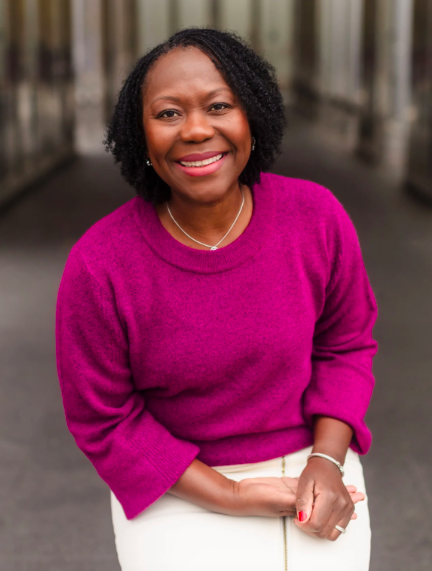
Karen Capehart, one of our clinicians, specializes in disordered eating and body image alongside related concerns such as perfectionism and religious community traumas. Her earlier blog on the changing body offers a different, more reflective piece if that is what you need today.
If you would like to explore whether therapy might be a next step, a consultation is a good place to begin.
Support Resource
If you are struggling with your relationship with food, exercise, or your body, support is available. You can reach the National Alliance for Eating Disorders helpline at 1-866-662-1235, staffed by licensed therapists specializing in eating disorders (Monday through Friday, 9:00 AM to 7:00 PM ET).
About the Author
Karen is a Licensed Clinical Mental Health Counselor Associate based in Raleigh, NC. She strives to bring kindness, honesty, and humor to the counseling room. She meets with individuals and specializes in disordered eating, college student support, LGBTQIA support, religious community traumas, and perfectionism. Karen is also trained to integrate Christian practice into therapy work upon request.