Not Sick Enough
When Eating Disorder Thoughts Say You Don't Qualify for Help
By Iman Mohamed, MSW, LCSW-A

Content note: This post discusses eating disorder behaviors, symptoms, and body image. If you are currently struggling with disordered eating, please reach out for support if needed.
The Concept of "Sick Enough"
In the Eating Disorder world, we hear the phrase "not sick enough" far too often. It can show up when someone is considering reaching out for support, wondering whether they need treatment, or comparing their experience to someone else's.
We live in a society that has created parameters for what eating disorder symptoms are supposed to look like and when someone is "sick enough" to claim that they are struggling. But the real question is who gets to decide when someone's struggle is serious enough to deserve support?
The Psychological Battle
With an Eating Disorder, you are not only fighting the mental challenges and racing thoughts that come with the disorder. You may also be fighting against society's image and perception of what an eating disorder is "supposed to look like."
I'm here to tell you that an eating disorder does not have a specific look, color, or BMI.
There is a skewed media perception of what an eating disorder "looks like," and this can create the belief that if you do not resemble that image, you are not sick enough to have an eating disorder or receive help.
At the same time, we live in a society where weight loss and "looking thin" are often glorified and romanticized. This can make it even harder to recognize when behaviors, thoughts, or beliefs around food and body image have become harmful.
This is where the idea of being "sick enough" can become part of the psychological battle.
If you find yourself asking whether you are "sick enough," it may be worth asking what that question is actually asking of you. Are you looking for permission to seek help? Are you comparing yourself to someone who you believe is "sicker"? Are you waiting until things become worse before allowing yourself to take your own experience seriously?
The goalpost can keep moving. You may tell yourself that you will seek help when your symptoms become more severe or your eating becomes more disordered. But once you reach that point, the ED may simply give you another reason why it still isn't enough.
There is no finish line where you finally become "sick enough" to deserve support.
What Does "Sick Enough" Mean?
The next time you find yourself having the thought, "I'm not sick enough," pause and ask yourself:
What does "sick enough" mean to me?
What am I hoping will happen if I become "sick enough"?
You do not have to wait until your symptoms become more severe to take them seriously. You deserve support based on what you are experiencing, not based on whether you can prove that you are struggling enough.
At Hearth Counseling & Consulting, we offer therapy for eating disorders and body image concerns in Raleigh, Apex, and virtually across North Carolina. If you are considering reaching out, a free consultation is a good first step.
Support Resource
If you are struggling with your relationship with food, exercise, or your body, support is available. You can reach the National Alliance for Eating Disorders helpline at 1-866-662-1235, staffed by licensed therapists specializing in eating disorders (Monday through Friday, 9:00 AM to 7:00 PM ET).
About the Author
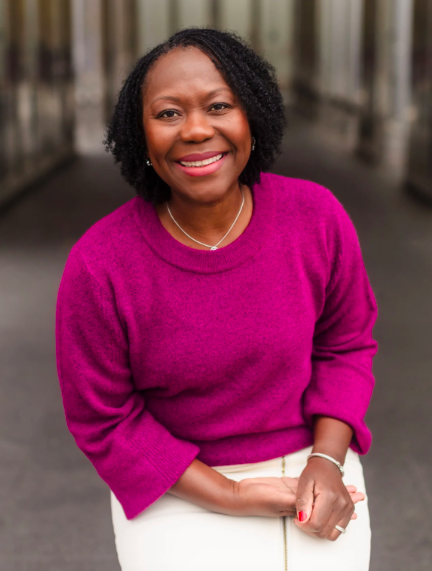
Iman Mohamed, MSW, LCSWA
Iman is a Licensed Clinical Social Worker Associate at Hearth Counseling & Consulting with over three years of specialized experience supporting adolescents navigating eating disorders and recovery-focused care. She brings a person-centered, strengths-based, and trauma-informed approach to therapy, and offers sessions in English, Arabic, and Somali. Iman is especially passionate about supporting immigrant communities and clients navigating cultural identity and transitions.