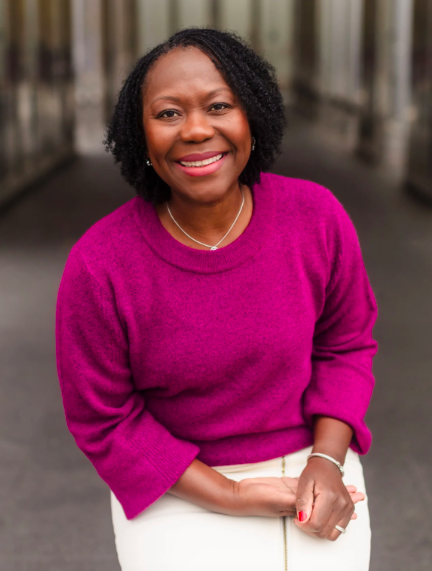
The Mother Who Is "Just a Girl" Inside: Understanding the Mother Wound
On motherhood, inheritance, and the girl inside every mother
I've been reading The Correspondent by Virginia Evans, and one line stopped me completely:
“I know you think of me as your mother only, but please remember, inside I am also just a girl.”
I sat with that sentence for a long time. As someone who works with a lot of moms, and as a mother myself, I recognized it instantly, not as a plot point in someone else's story, but as the quiet truth underneath so many of the relationships I sit with every day.
The question I always ask
When women come to me with a difficult relationship with their mother, I ask one question early on: how much do you actually know about the history and psychology of your mother?
Not "what did she do to you"; most women can answer that in detail. I mean something different: What was she carrying before you existed? What happened to her as a girl? What was modeled for her? Most of us know our mothers only as mother, a role, a function, a set of grievances and gifts and almost nothing about who she was before that role swallowed her.
I want to be very clear about something before I go further: this is not an article that excuses mothers who have caused real harm: emotional manipulation, abuse, patterns that continued to hurt their daughters long after those daughters became adults. That is not what this is about.
But there is a large, often-overlooked gray area — where the harm was real but unintentional. Where it came less from cruelty and more from a mother's own lack of psychological awareness of herself; she wasn't withholding love on purpose. She simply never had access to a version of herself that could give it.
Understanding is not forgiveness
This is the part I ask women to sit with the longest, because it's easy to misunderstand: knowing your mother's history and psychology is not the same as forgiving her, and it doesn't require you to.
You can fully understand where someone's limitations come from and still be hurt by them, especially if she hasn't done the work to change. Understanding isn't an obligation to excuse. It's a lens.
What it does do is help you adjust your expectations. Instead of endlessly hoping for something a person was never equipped to give, you can say, honestly: my mother is not capable of X — of being emotionally available, of being consistently supportive because she doesn't have it in herself to give. And she doesn't have it because of her own psychological past. That sentence, once you can say it plainly, changes how much power her limitations have over you.
Losing my eyesight, seeing myself clearly
Without spoiling too much, The Correspondent follows a woman in her seventies, losing her eyesight, coming to terms with how her own past trauma shaped the way she showed up for her daughter. The author renders this with so much tenderness that I found myself wishing every woman would read it, daughters, yes, but especially mothers.
Because the book asks a question I ask myself constantly now that I have a daughter of my own: thirty years from now, what will she say about our relationship?
The moment I needed my own mother
Emotional dysregulation is one of the great, unglamorous challenges of motherhood. Nothing tests your own regulation quite like raising a small person who doesn't yet understand her emotions, who finds them frightening and overwhelming even as she's trying to feel them for the first time.
I remember a moment recently: my daughter crying, dysregulated, needing me. I was holding her, trying to be the calm she needed. And underneath that, quietly, a different thought was running: how much I needed my own mother in that exact moment.
That's motherhood, in miniature. You are mothering someone while some part of you is still being mothered or still aching for it. The wound and the healing happen in the same breath, often at the same time, in the same room.
The pressure of "breaking the cycle"
We're living in a moment that talks a lot about breaking generational trauma, about modeling something different for our children than what we were given. That conversation matters. But it's also created a new, quieter pressure: the idea that a mother should show up almost without fault, regulated, self-aware, never the source of any hurt, ever.
That standard isn't just unrealistic. It's exhausting. It sets women up to measure themselves against a version of motherhood no human being can fully live up to, and it can turn healing work into just another way to feel like you're failing.
Where this leaves me
I'm not the first person to write about the "motherhood wound"; this conversation has been building for a while, and better writers than me have covered pieces of it. But as a daughter still working through my relationship with my own mother, and as a mother watching my daughter grow, I keep coming back to that line from The Correspondent:
“I know you think of me as your mother only, but please remember, inside I am also just a girl.”
Somewhere inside every mother is still a girl, one who was also raised by someone imperfect, someone who was also just a girl once. Knowing that doesn't erase what was hard. But it might be the beginning of understanding it.
If any of this feels familiar, therapy can be a place to understand your relationship with your mother without having to justify it to anyone. Hearth offers individual therapy in Raleigh, Apex and virtually across North Carolina.
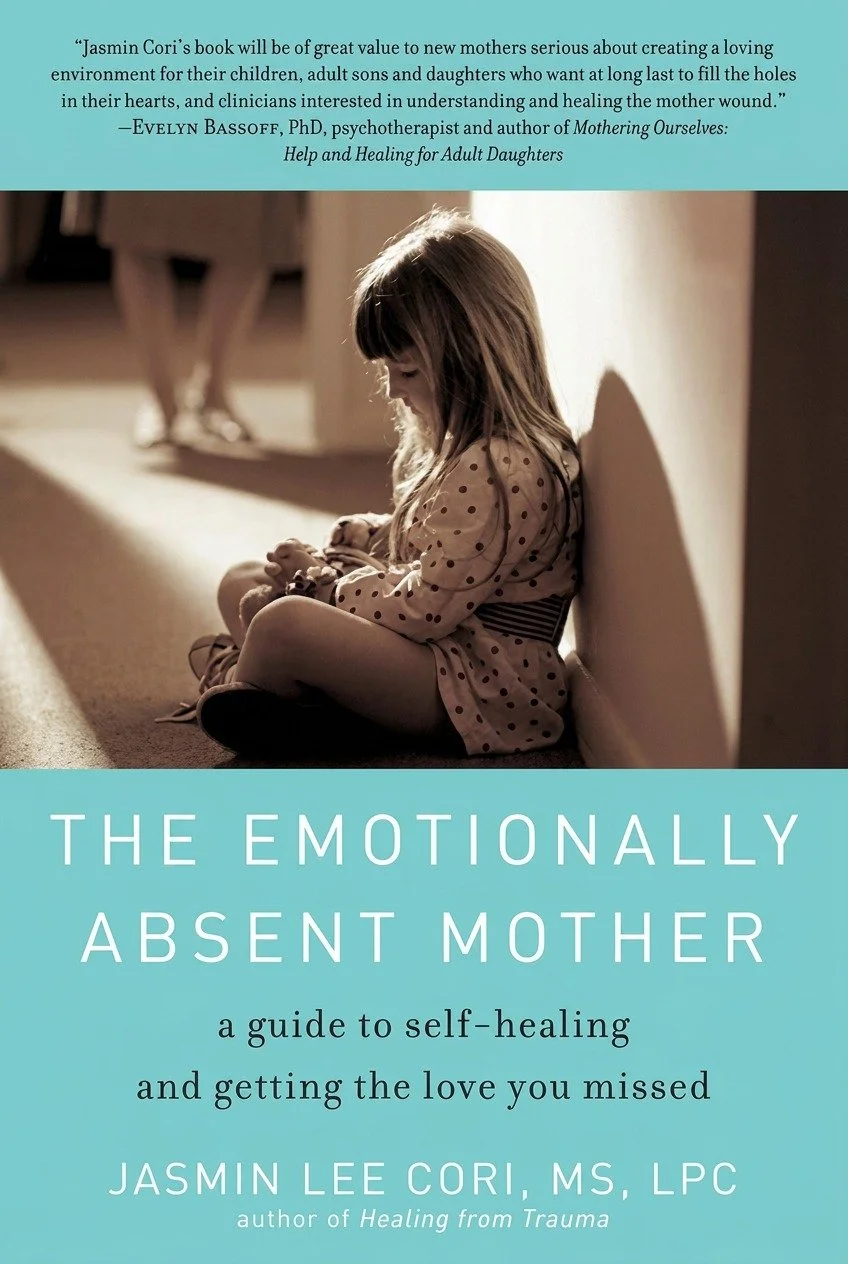
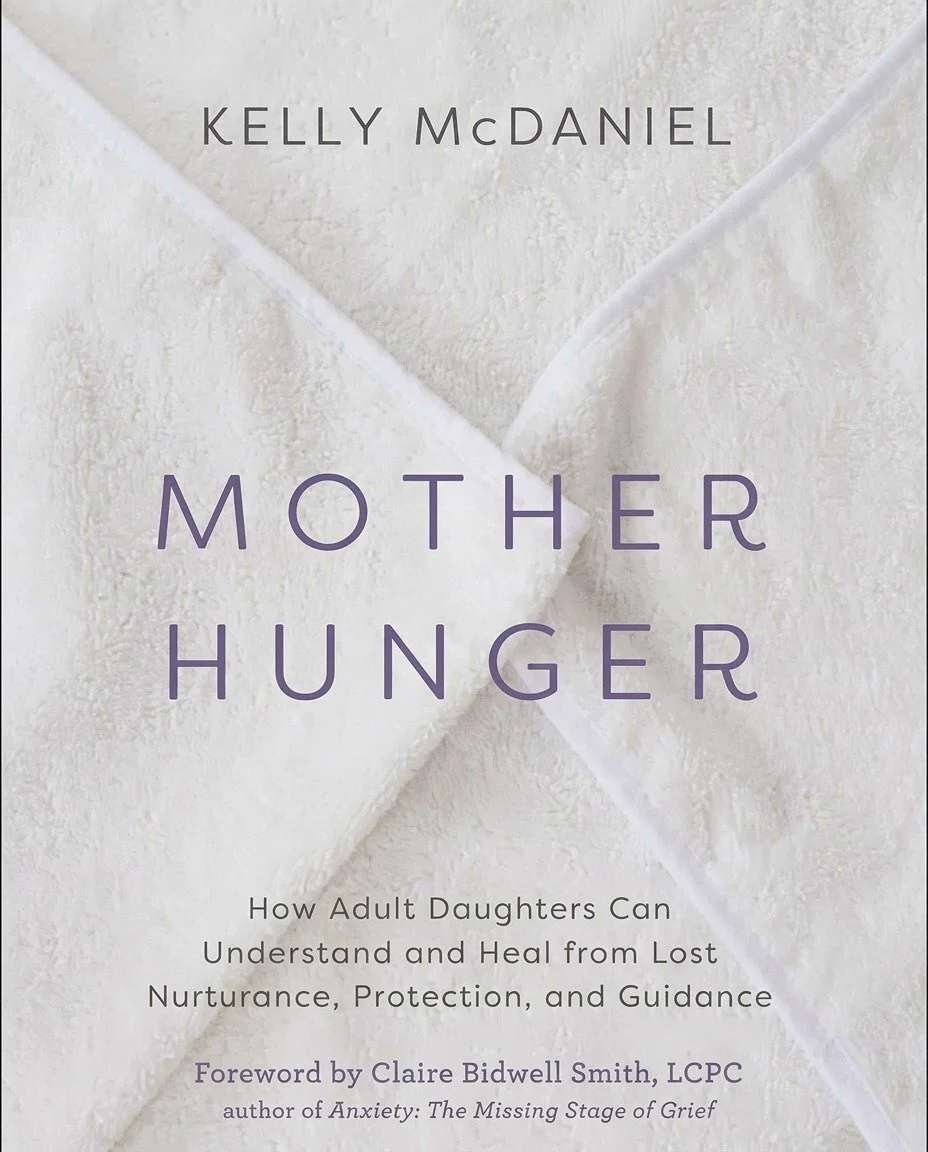
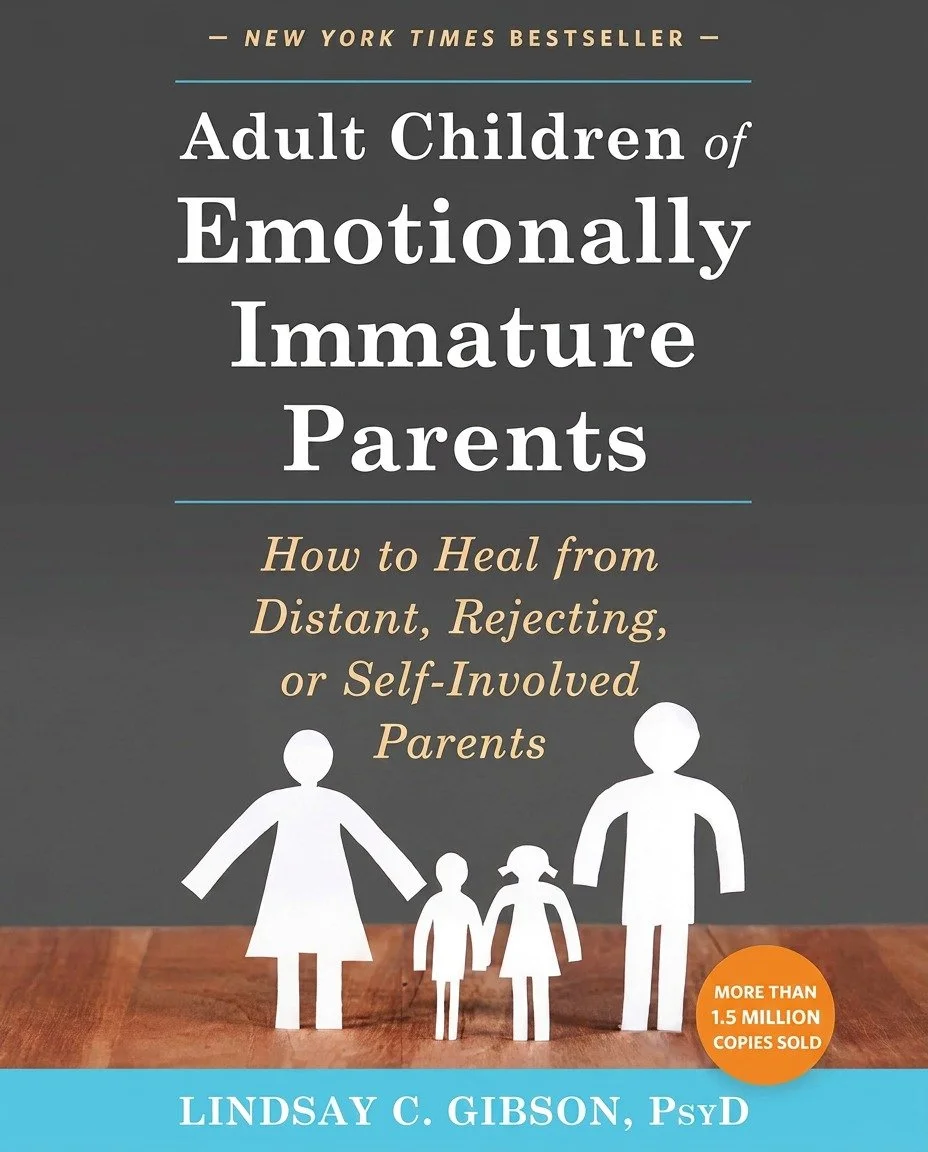
Recommended Books
About the Author
Marina Cline, MA, LCMHC-S, PMH-C, EMDR-CIT
Marina Cline is a licensed clinical mental health counselor, trauma therapist, and the owner of Hearth Counseling & Consulting in Raleigh, North Carolina. She specializes in working with women and mothers, particularly around pregnancy, postpartum, and the emotional challenges that come with those transitions. Marina is passionate about helping women feel supported in seasons where they are often expected to hold everything together. Whether it's anxiety, burnout, or the invisible load of motherhood, her work focuses on creating space for women to be seen, heard, and cared for, too.