It's a Mother of a Decision: Navigating the Anxiety of Decision Making in Motherhood
The Weight of Every Choice

I imagine my son 15 or 20 years from now sitting around a table talking with some new friends. Maybe he met them at college or at the park playing soccer. They connect over their shared love of the outdoors and taste in music. Someone asks "so what's your family like?" Wow, what a big question. My son thinks for a second and says "My family? Oh they're great. They have always loved and supported me and took care of me the best that they could." That's the dream, right? We hope that when our children reflect back on their lives that they hold their childhood experiences in a positive light and they still want a relationship with us long after they've grown up and moved out. So how do we do it when every single day brings a set of complicated, twisty, scary decisions that we have to make for them? How do we know what is going to produce the best outcome?
Spoiler alert: we don't know and we can't truly ever know.
There's no one right way to be a mom or a parent. The noise that things like social media (and despite their mostly good intentions friends and family) can bring bubble up comparison and possibly some of our most vulnerable fears and insecurities. Wondering if you're doing enough, wondering if you're doing too much—it can feel like every decision you make comes with an internal judgement and sometimes external ones. (Thanks Aunt Karen, I never thought about trying a sound machine to help them sleep better—cue eye roll).
You know deep down that you lead with love in spite of all the overthinking and questioning of yourself. You look at your child and your heart explodes. It's raw and real and sometimes painful because it's so intense. That's where the fear comes in—you have to make every right decision because this precious life is depending on it and depending on you.
But being a mother isn't about always getting it right, whatever that means. It's more about getting it wrong, admitting that you're human, and repairing the relationship. You connect and apologize. You continue to show up and be vulnerable even after you make a mistake. You clean up the little messes and model for your child what it means to learn and grow.
The Everyday Decisions That Add Up
So what are some of these decisions, big and small, that mothers face every day? These are some of the things I've experienced inner turmoil around and there are a million other decisions that could be a part of the struggle.
Childcare and Caregiving
Making decisions about childcare—should I stay home or put my child in daycare? Is there some magical option to do both? The worries and judgement from others can make it feel like there really is no best option.
Medical and Health Choices
Medical decisions—what is the best choice for my child and will it have some kind of impact on them in the future? Dr. Google said one thing but now my pediatrician is saying something else. Should I get another opinion?
Food and Nutrition
What they eat and drink—should everything my child puts in their mouth be organic and grown from the ground? When can I let my child have treats and enjoy things that aren't necessarily nutritious? What exactly is the right balance? How do I help them create a healthy relationship with food?
Everyday Products
What brand of diapers or soap or lotion do I get? Is it full of chemicals that's going to permanently damage my child? Do I actually have to buy all organic cotton clothes?
Boundaries and Discipline
Setting boundaries and following through on them—if I don't follow through on this boundary this time, will they continue to push limits? Or is it not that big of a deal? How do I handle consequences while also keeping a healthy attachment with my child and making them feel safe?
Family Access and Relationships
Who do I let have access to my child? Are these boundaries reasonable or am I being unreasonable? Just because they're family, does that mean I have to help my child nurture a relationship with them?
How to Make Decisions When You Can't Know the Outcome
So how do we actually make decisions and learn to be in the discomfort of not always knowing the outcome? Below are five practices that can help when the weight of choosing feels like too much.

1. Research, But Don't Drown in It
Allow yourself time to research to make an informed decision, but don't drown yourself in all of the information. Google can be useful and it may only be part of the picture. Get facts from a pediatrician, trusted friend or family member, or even your therapist! At Hearth Counseling & Consulting, we often help mothers cut through the noise and identify what actually matters for their family.
2. Practice Compartmentalizing
Once you've made a decision, practice compartmentalizing. Visualize the topic or decision and then imagine you are putting it into a box and placing it safely on a shelf. If you need to return back to it you can take it down, but for now allow it to just be.
3. Align Decisions With Your Core Values
Identify and examine your core values and if they align with the decisions that you are making. The more aligned our decisions are with our values, the less at odds we tend to feel internally.
4. Use Acceptance and Commitment Therapy Tools
Utilize tips from Acceptance and Commitment Therapy, or ACT. Allow the anxious thoughts to present themselves and work to let them go with intention. ACT focuses on accepting difficult thoughts as just thoughts, rather than getting tangled up in them as if they are absolute truths. This kind of cognitive defusion can be especially powerful when your mind is looping on worst-case scenarios.
5. Find Space for Gratitude and Grace
Find space for gratitude and grace. You are doing your best and that is what matters. Practice guided mindfulness meditations to focus on what you are grateful for and reflect on yourself with best intentions.
Doing Your Best Is What Matters
At the end of the day, we are going to make so many decisions over the course of being a parent. We're going to get it wrong and get it wrong again. That's part of growing and learning. You do your best with the information you have and make informed decisions. You sit in the discomfort of not knowing how this is going to impact your child 20 years from now. You admit your faults and your mistakes and you help your child understand the process of learning.
But the good news is you're going to get so much right. You're going to wake up every day and make the decision to love your child with every ounce of love that lives in your body. You're going to feed them and clothe them and house them. You're going to let them make friends and learn what a healthy relationship is. You're going to watch them fall and skin their knee but be right there to pick them up and kiss them. You're going to support their interests and nourish their passions. You're going to watch them grow into an amazing human.
Keep doing your best and lead your decision making with an open heart and curious mind. Your children don't need you to be perfect, they just need you.
When It Helps to Talk to Someone
If decision-making anxiety is starting to feel constant, exhausting, or like it is interfering with how you actually want to show up as a mom, you do not have to figure it out alone. Therapy can be a powerful space to work through the mental load, identify your values, and build practical tools for sitting with uncertainty. At Hearth Counseling & Consulting, we specialise in supporting mothers through every stage of motherhood, from pregnancy and postpartum to the long years of raising children. You are welcome here.
Sources
Association for Contextual Behavioral Science — About ACT
PMC — Acceptance and Commitment Therapy and Psychological Well-Being: A Narrative Review
Greater Good Science Center — How Gratitude Changes You and Your Brain
American Psychological Association — Mindfulness Meditation
About the Author
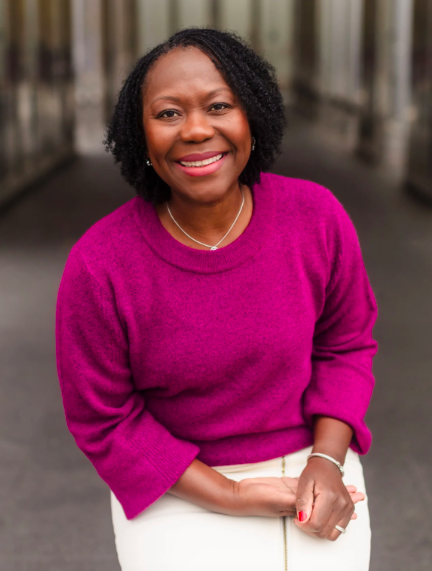
Kelsey Parker, MS, LCMHC, QS
Kelsey Parker is a licensed clinical mental health counselor, therapist and supervisor at Hearth Counseling & Consulting in Raleigh, North Carolina. Although she works with a variety of individuals, after becoming a mom her passion for maternal mental health grew immensely. Some of Kelsey's biggest passions are helping mothers feel validated in their experiences during the journey to motherhood, pregnancy, and postpartum and coming up with real solutions to lighten the mental load. Motherhood is hard enough, you shouldn't have to face it alone.